Painting metal railings and gates in Cambridge
Our decorators paint metal railings, garden and driveway gates, balcony rails and external balustrades. The job is mostly preparation: rust taken back to sound metal, the right primer for the type of metal, then finish coats that keep water out. Graham visits first to see what the railings are made of and how far the rust has gone.
We've brought old railings back before. One Checkatrade customer, after we had decorated their living room and hallway, wrote that we came back to do “some exterior work including historic railings which came up beautifully.”
Cast iron, steel or galvanised?
The metal decides the primer, so it is the first thing we check.
Cast and wrought iron
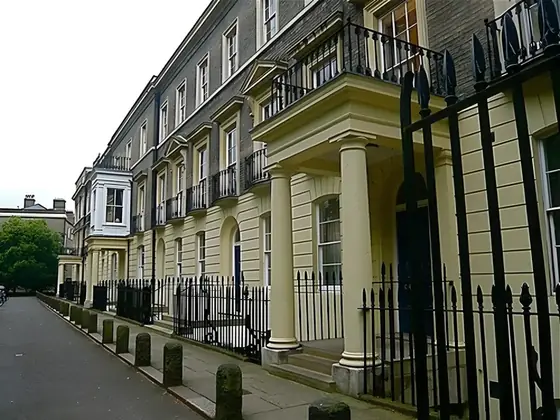
Period front railings, finials and decorative panels are usually iron. They often carry many layers of old paint, and rust tends to start where water sits: the tops of rails, the joints between castings and the base where bars are set into stone.
Mild steel
Most modern gates and many replacement railings are mild steel. Once its paint is breached it rusts quickly, so chips and scrapes from car doors and bins need treating early.
Galvanised steel
Galvanised metal has a zinc coating, dull grey and often slightly spangled. Ordinary paint tends to peel off it, so it needs a primer made for galvanised surfaces, or an etching treatment first. Skipping that step is a common reason painted galvanised gates flake.
Getting rid of the rust
Loose rust and flaking paint come off with wire brushes, scrapers and abrasive pads, working into the scrolls and corners by hand. The aim is sound, firmly bonded paint or clean metal, with the edges of old paint feathered so they don't show through the new finish.
Bare metal is then degreased and primed before we leave. Left uncoated overnight, clean steel can start to rust again before a coat goes on. Where rust has pitted the surface, a rust treatment can be used on the remaining traces before priming.
Railings set into stone or brick need extra attention at the base. Rust there swells as it forms and can crack the stone around it, so we clear it out as far as we can reach and seal the joint with paint.
Metal primers and finish coats
Bare iron and steel get a rust-inhibiting metal primer. Galvanised areas get their own primer, as above. Over sound old paint, a light key and clean is usually enough before the finish coats.
Sharp edges, bolt heads and the corners of bars are where paint is thinnest, so they are brushed with an extra coat before the full finish goes on. Two finish coats is the usual specification for exterior metal. Black gloss is the traditional choice for period railings, but satin black, dark greens and deep blues suit some houses, and matching the railings to a newly painted front door ties the front of the house together.
Some customers ask about direct-to-metal paints, which combine primer and finish in one product. They have their place on smaller items in decent condition, and Graham will advise whether they suit yours.
Old railings and lead paint
Railings on Victorian and Georgian houses may have been painted with lead-based paints, including red lead primers that were common on ironwork. Old paint should be tested before it is disturbed. If lead is present, it must never be dry sanded, power-wire-brushed into the air or burnt off. It is prepared with wet methods or a suitable chemical stripper, the ground below is sheeted, and every scrap of debris is collected and disposed of properly.
Repairs that need a metalworker
We don't weld or fabricate. Broken bars, cracked castings, missing finials and rotten bottom rails need a metalworker or blacksmith, and it's best to have them repaired before we paint so the new finish covers the repair too. A gate that drags because its hinges have worn or its post has moved is the same: paint won't fix it, and a dragging gate soon scrapes through a fresh coat.
A loose brick gate pier is building work, and our master builder can look at that. Seized hinges and latches can usually be freed and cleaned by us, then painted or masked.
What changes the cost of railing painting
- Length and height of the railings, and one side or both
- Plain bars or ornate scrolls, panels and finials
- How much rust and flaking paint has to come off
- Lead testing, and wet preparation if lead is found
- Galvanised areas that need a special primer
- Access, such as basement steps or a first-floor balcony
- Gates, hinges and latches to free and mask
Arranging your railings or gate
Call or WhatsApp and Graham will come to look at the metal, check for galvanising and lead risk, and explain any repairs to arrange first. You'll then get a written quotation, usually by email.
Metal needs a dry day, and cold railings can be damp with condensation on a still morning even when it hasn't rained, so we start once the surface is dry. If the rest of the exterior or the garden fence is due, it can be done at the same visit, and our main shed, fence and gate painting page covers timber gates. More customer comments are on our reviews page. You don't pay until you're happy with the finished work.