
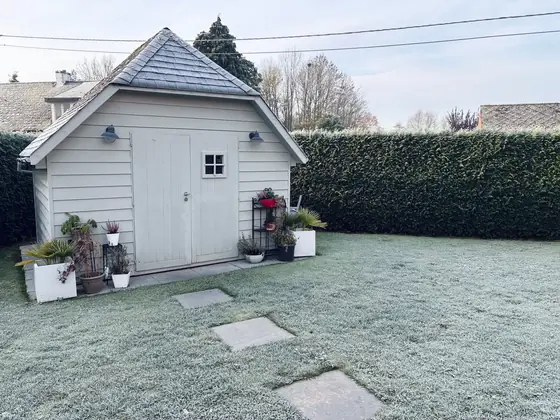
Larger gardens, longer fences
Detached plots often mean fencing on three sides, a timber gate or two and an outbuilding. Fence panels and posts fail first at ground level, where they stay damp, and shed doors and bottom boards follow. We clean off dirt and green growth, let the timber dry, and check for soft wood before quoting a coat of anything.
Sheds and summerhouses get every board and trim, door edges included. Fencing can be brushed or, on long straight runs with nothing nearby, sprayed. Our fence painting page compares the two.
Decking, gates and choosing a finish
A paint gives solid colour and hides tired grain. A stain keeps the grain visible and tends to be simpler to recoat. Decks are cleaned and then oiled or stained, with the end grain of each board given particular care, as our decking page explains.
If you rent, ask your landlord before changing a fence colour, and on a boundary fence check with the neighbour which side is whose. Posts that have rotted go to our carpenter or master builder first.
Isleham at a glance
- 21 milesby road from our Landbeach base, about 30 minutesOSRM routing
- 96%are houses rather than flatsCensus 2021
- 58%of homes are detachedCensus 2021
- 26%are semi-detachedCensus 2021
- 79%of homes are owner-occupiedCensus 2021
- 1,047householdsCensus 2021
How we approach shed, fence & gate painting
We'd plan garden timber for late spring to early autumn and watch the forecast closely. Plants are tied back and covered, paving and walls sheeted, and gate hinges and latches masked. Timber is cleaned, left to dry and lightly sanded where it's flaking. Coats go on in the order the manufacturer gives, with drying time respected. The full method, products and FAQs are on our shed, fence & gate painting page.