
A town shaped by the 1960s and after
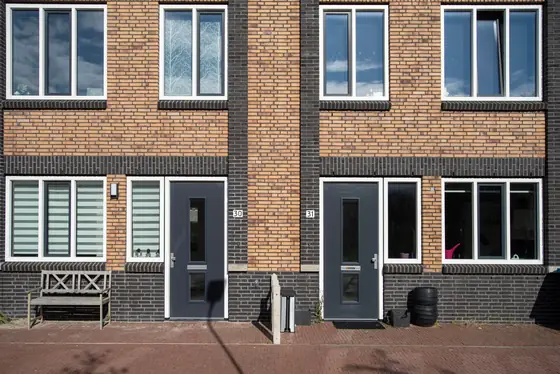
St Neots grew sharply with London overspill housing in the 1960s, and Council Tax records bear that out: 29% of properties date from 1965 to 1982, the largest single period in the town. Another 24% were built between 1983 and 1999, and the Love's Farm estate east of the railway station added more than 1,000 homes by 2020.
The result is a town of mostly post-war family homes. In the 2021 Census, 41% of households had three bedrooms, and terraces, semis and detached houses each made up a little over a quarter of homes. Flats account for about 17%, most of them purpose-built.
The older town by the River Great Ouse
The town centre sits on the bank of the River Great Ouse, and St Neots has a designated conservation area. Historic England lists 156 buildings in the parish, including Tudor House, Ford House and Brook House, all Grade II*. Only around 6% of the housing predates 1919, but those properties often need the most careful preparation.
If your home is listed or in the conservation area, it's worth checking with Huntingdonshire District Council before changing exterior colours or windows.
Painting and decorating services in St Neots
We decorate interiors, paint exteriors, hang wallpaper, spray uPVC frames and paint kitchen units, with our own plasterers and floor specialist when a job needs them. With about 17% of St Neots households renting privately, we also work for landlords between tenancies. Our pages on decorating inside the home, exterior house painting and painting for businesses and landlords have more detail.
Belinda arranges dates and keeps you informed, we tidy at the end of every day, and you don't pay until you're happy with the finished work.
St Neots in numbers
- 31 milesby road from our Landbeach base, about 39 minutesOSRM routing
- 14,487householdsCensus 2021
- 66%of homes are owner-occupiedCensus 2021
- 17%of homes are privately rentedCensus 2021
- 6%of properties were built before 1919VOA Council Tax stock
- 156listed buildingsHistoric England