
Fence panels that have gone grey
Original fencing in homes from the 2000s has had two decades of rain and sun, and the factory treatment has long since faded. Detached and corner houses can have boundaries on three sides, so the length of fence to paint adds up quickly.
We clean off algae and dirt using a method that suits the timber, gentler on rough-sawn panels, and let the wood dry before applying a stain or solid garden paint.
Sheds, summerhouses and side gates
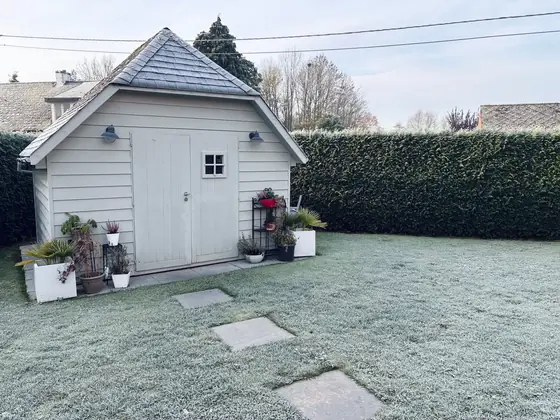
Sheds need treating more like a small building, with door edges, window frames and the bottom boards nearest the ground given extra attention. Side gates on semi-detached and end-of-terrace houses get handled every day, so we finish all their edges as well. Our garden timber painting page covers products in more detail.
Remember that you can only have your side of a shared fence painted, or the neighbour's side with their agreement.
Cambourne at a glance
- 13 milesby road from our Landbeach base, about 16 minutesOSRM routing
- 90%are houses rather than flatsCensus 2021
- 35%of homes are detachedCensus 2021
- 28%are semi-detachedCensus 2021
- 59%of homes are owner-occupiedCensus 2021
- 4,364householdsCensus 2021
How we approach shed, fence & gate painting
We protect plants and paving, scrape and sand flaking paint on sheds and gates, sand down raised fibres and flag rotten boards before starting. Stain or opaque garden paint goes on in dry weather, with the posts and gravel boards given a proper coat. On long, open fence runs we may use the Graco sprayer if overspray can be controlled. The full method, products and FAQs are on our shed, fence & gate painting page.