
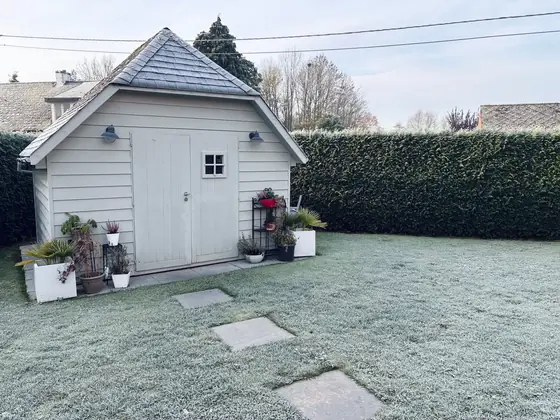
Garden timber in a town of houses
A terrace garden might mean one shed and two long fence runs, while a detached plot can add side gates and a summerhouse. Either way, posts and gravel boards fail first, so they get a proper coat rather than a quick pass at the end.
Gates take the most handling. We remove or mask the latch and hinges, clean loose rust from old metalwork, and finish every face, including the end grain at top and bottom.
Products and timing
An opaque garden paint hides the grain and evens out boards that have weathered unevenly, which can turn a shed into a feature. A stain colours the wood but lets the grain show, and is easier to recoat later. Graham will recommend what suits your timber.
Dry wood and a few dry hours afterwards are essential, so late spring to early autumn is the usual window. If a fence is shared, the neighbour's side needs their agreement. The house can be done at the same time through our exterior painting.
Huntingdon at a glance
- 20 milesby road from our Landbeach base, about 24 minutesOSRM routing
- 82%are houses rather than flatsCensus 2021
- 29%of homes are detachedCensus 2021
- 25%are semi-detachedCensus 2021
- 56%of homes are owner-occupiedCensus 2021
- 10,519householdsCensus 2021
How we approach shed, fence & gate painting
We protect plants and paving, then clean off moss, algae and dirt, using an anti-fungal wash where the timber can take it. Flaking paint on sheds and gates is scraped and sanded, loose fibres rubbed down, and rotten boards flagged before we start. Only once the wood is properly dry does the colour go on. The full method, products and FAQs are on our shed, fence & gate painting page.