
End-of-tenancy decorating in Huntingdon
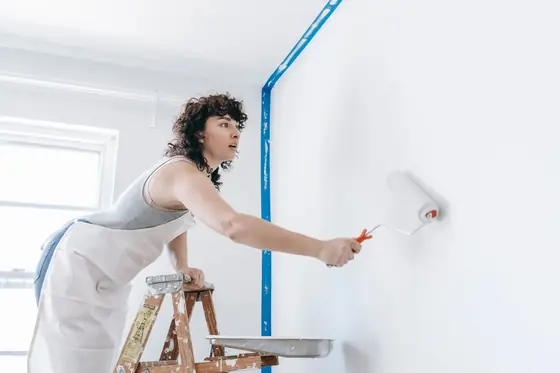
With about 2,390 households renting privately, plenty of rooms change hands every year. Between lets, we make good marks left by shelves and fixings, stain-block water or smoke damage with Zinsser, and repaint in a washable matt that touches up well, so the next refresh is smaller.
Flats bring their own logistics. Shared stairwells, parking and lifts all affect how we get materials in, so we agree access at Graham's visit rather than on the morning.
Homes from every decade
Owner-occupiers make up 56% of the town. Their houses range from around 730 built before 1900, where soft old plaster may need lining paper, through 1960s estates with tired ceilings, to homes built since 2000 that mostly need careful preparation on fresh plaster.
Tester pots go on several walls before you commit, as light changes a colour more than most people expect. Our guide to preparing for a decorator explains how to get a room ready.
Huntingdon at a glance
- 20 milesby road from our Landbeach base, about 24 minutesOSRM routing
- 10,519householdsCensus 2021
- 56%of homes are owner-occupiedCensus 2021
- 23%of homes are privately rentedCensus 2021
- 8%of properties were built before 1919VOA Council Tax stock
- 18%are flatsCensus 2021
How we approach interior decorating
In a Huntingdon flat or terrace we usually begin by protecting shared areas and floors. Ceilings come first, with cracks filled and stains sealed. Walls are washed, filled and sanded with Mirka dust-free sanders, lined where old plaster is poor, then painted in two coats. Woodwork is keyed and finished in gloss, satin or eggshell to suit the room. The full method, products and FAQs are on our interior decorating page.