Limewash painting and mineral paints in Cambridge
We offer limewash painting and mineral paint finishes for older houses in and around Cambridge, on outside walls and inside rooms. Our own decorators do the work, and Graham visits first to see what the wall is made of and what's already on it, because that decides which of these finishes will work, if either will.
Both are breathable. They let moisture move out of a solid wall instead of trapping it behind a plastic-like skin, which matters on lime render, soft brick, flint, clunch and lime plaster. One Checkatrade customer who had us decorate their Grade II listed cottage wrote: "Simon was a fantastic decorator and experienced in working with lime wash. Fantastic results." For the rest of the outside of the house, see our exterior house painting page.
What limewash is and how lime wash walls are painted
Limewash is lime putty thinned with water, sometimes tinted with natural pigments. It doesn't sit on the wall as a film. It soaks into the surface and, as it dries, takes up carbon dioxide from the air and turns back into a thin layer of calcium carbonate, much like the stone it was burnt from.
That chemistry sets the method. The wall is brushed down and dampened so the limewash isn't sucked dry, then several thin coats go on with a large brush, each left to set before the next. Hot sun, drying wind, rain and frost all spoil it, so exterior limewash is planned for mild, settled weather and may be misted or shaded while it cures.
The finish is soft, chalky and slightly varied across the wall, which is the look most people are after. It dries much lighter than it goes on. Outside, it weathers gradually and is renewed with fresh coats rather than stripped. Lime is caustic while wet, so eyes, skin, glass, paths and planting are all protected.
Mineral (silicate) paint as an alternative
Mineral paints use a potassium silicate binder. On a mineral surface such as render, brick or stone, the binder bonds chemically with the wall instead of forming a skin over it. The result is highly breathable like limewash, but harder-wearing and more even in colour, with pigments that resist fading.
The limit is what it can go on. Pure silicate paints need a bare mineral surface. Sol-silicate versions are made for a wider range of substrates, including some sound older coatings, but only where the manufacturer says so. Silicate paint can also mark glass and polished stone, so masking matters. In short:
- Limewash: the softest, most traditional look, very breathable, renewed more often
- Silicate mineral paint: breathable, durable and even in colour, but needs a suitable mineral surface
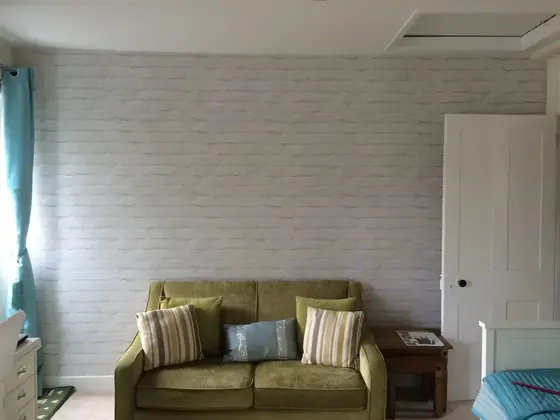
- Limewash-effect paints sold for interiors: often acrylic-based, copying the look without breathing like real lime
Lime render, old brick, stone and period walls
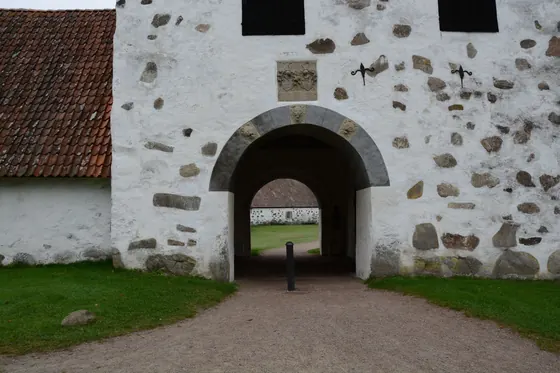
Outside, these finishes are most often used on lime render, rubble stone, clunch and soft old brick, typically on cottages and older village houses. A wall that has been limewashed before is the easiest case: it's brushed down, loose material removed and fresh coats applied. Cracked or blown lime render should be repaired in a lime mix, not cement, by someone who works with lime, before any finish goes on.
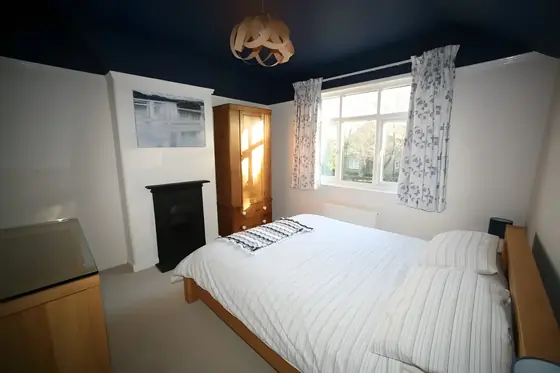
Inside, limewash suits lime plaster in older houses, which our period property decorating page covers in more depth. Keeping sound original plaster is usually right: in our Victorian bedrooms in Histon the original sand and stone plaster stayed and was lined where it needed it. A limewashed wall can't be scrubbed and will mark if rubbed, so it suits a sitting room or bedroom better than a busy hallway. On gypsum plaster or plasterboard, limewash generally won't bond without a primer the manufacturer specifies, while interior mineral paints are often made for those surfaces.
Over modern masonry paint: check first
This is where most limewash failures start. Neither limewash nor pure silicate paint will bond to a modern acrylic masonry coating. Applied over one, they flake and powder off, and the wall still can't breathe through the old layer underneath.
If your walls already have modern masonry paint, the options are to remove it, which on soft brick and lime render needs gentle, specialist methods that won't damage the face, or to use a product the manufacturer states is suitable over existing coatings, with its specified primer. We check the manufacturer's guidance for the exact product before quoting, and a small test patch shows what the old coating is.
A breathable finish helps a wall dry out, but it isn't a damp cure. A leaking gutter, bridged damp-proof course or high ground level needs putting right first.
Listed buildings and conservation areas
Many houses that suit limewash are listed or sit in a conservation area. Historic England explains that works affecting a listed building's character need listed building consent, and that can include changing the type or colour of an external finish; carrying out such works without consent is a criminal offence. Renewing an existing limewash like for like is often viewed differently, but that's for the council to decide, not us.
We're decorators, not planning advisers. Before booking, check with your district council's conservation officer, and have any consent conditions to hand when Graham visits so the products and colours match what was agreed. Older places we cover, such as Grantchester and Saffron Walden, have plenty of buildings where this applies.
What affects the price of limewash or mineral paint
Breathable finishes take more care than ordinary masonry paint, and the state of the wall drives most of the cost. The written quotation sets out:
- The surface: lime render, brick, stone, clunch or lime plaster
- Existing coatings, and whether they need removing or a specified primer
- Render or pointing repairs needed first
- The number of thin coats, and any pigment or colour matching
- Height and access outside
- Waiting for suitable weather and protecting the finish while it cures
- Masking glass, stone sills and planting
Arranging a visit for an older house
When you get in touch, tell us a little about the building: its age, whether it's listed and anything you know about what's been on the walls. Graham will look at the surfaces, and where a breathable masonry paint would serve you better than limewash, he'll say so. The written quotation follows, usually by email.
Exterior work is booked around suitable weather, and Belinda keeps you posted on dates. When it's finished we walk round with you, and you don't pay until you're happy with the finished work. If brick is the main question, our brick painting page covers it, and rendered walls in modern paints are on render and masonry painting.