Radiator painting in Cambridge by our own decorators
We offer radiator painting across Cambridge, either as a job on its own or as part of redecorating a room. Our own qualified decorators do the work, and Graham looks at each radiator during his visit to decide how it should be painted: where it hangs, or taken off the wall.
The radiators people ask us about tend to be steel panels that have yellowed or picked up rust along the bottom edge, old cast-iron column radiators carrying decades of paint, or sound radiators that are simply the wrong colour for a newly decorated room. Each needs a slightly different approach. Radiators are often painted alongside the walls and woodwork on our interior decorating jobs, but you can book them separately.
Painting in place or taking the radiator off the wall
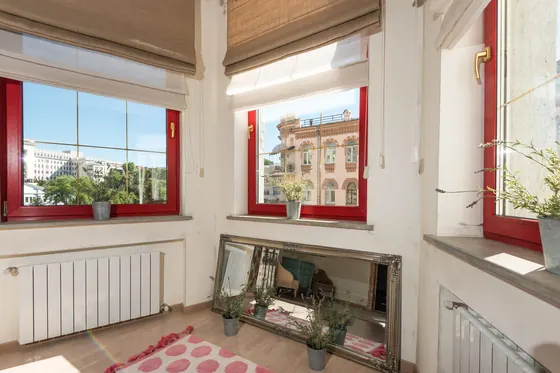
Most radiators can be painted where they hang. The front, top and sides are easy to reach, and a thin radiator roller or a bent-handled brush gets some way down the back and between the panels. What you can't do in place is paint the whole rear face of a panel tight to the wall, or every fin inside a double convector.
Taking a radiator off gives full access, so it can be painted all over and the wall behind it decorated properly. That matters if you're changing the wall colour, because a stripe of the old colour behind the radiator shows from some angles. It also suits radiators with heavy rust or chipped paint that need serious work.
Removing a radiator means isolating it, draining it, refitting it without leaks and, on many systems, topping up or re-pressurising the heating afterwards. That is a plumber's job. If yours needs to come off, we'll arrange it with you at the visit so it fits the order of work, and the quotation makes clear which part is ours.
Preparation: cleaning, rust spots and the right primer
Radiators collect dust, cooking grease and, in kitchens and bathrooms, a film that stops new paint sticking. Each one is washed and degreased, then the old paint is lightly abraded to give the new coat a key. Old runs and drips are sanded flat, as they show through every layer that follows.
Rust needs proper attention. Bubbled or flaking paint is scraped back to firm metal, the rust is wire-brushed or sanded out, and the bare spots are primed with a metal primer before any top coat. Painting straight over rust leaves it working underneath, and the brown stain soon comes back through. Rust at a seam or around a valve can also mean a slow leak, and a leaking radiator needs a plumber before it needs paint.
Old cast-iron radiators need one extra check. Like pre-1960s woodwork, paint on very old radiators and pipework may contain lead, so it should be tested before anyone sands it. If lead is found it must not be sanded dry: the work is done wet or with dust-free extraction and a careful clean-up.
Thermostatic heads are taken off or masked, along with valve bodies, bleed screws, the wall and the floor. Painted valves stick, and a painted-over bleed screw is a nuisance the next time air needs letting out.
Which paint goes on a radiator
Emulsion should never go on a radiator, and standard woodwork paints don't always cope with repeated heating either: some yellow, others soften. The usual choice is a paint sold for radiators or one the manufacturer states is heat-resistant, normally an enamel in gloss or satin. Water-based radiator enamels have less smell and hold their white better, which is why decorators tend to choose them in lived-in homes.
White isn't compulsory. A radiator painted the same colour as the wall disappears into it, which suits one under a window in a small room, and darker shades look good on cast-iron columns. Copper pipe runs can be painted to match as well, but shiny copper needs cleaning, keying and the right primer or the paint peels straight off.
Radiator spraying and respraying
Spraying gives the smoothest result on a radiator, with no brush marks in the grooves of a panel or across the columns of a cast-iron one. It makes most sense once a radiator is off the wall and can be sprayed in a ventilated space with everything around it protected. Spraying one in place is possible, but the masking has to cover the wall, floor and anything nearby, and for one or two radiators that often takes longer than brushing. Graham will say which suits yours.
Letting the paint cure before the heating goes on
Radiators are painted cold, with the heating off, and they need to stay off while the paint dries and hardens. Paint put on a warm radiator dries too fast, drags under the brush and can blister. Turning the heating on too soon can soften the film, pick up dust and leave it marked.
How long to wait depends on the product and the room temperature, and the manufacturer's instructions set it out. We follow them and tell you when it's safe to turn the heating back on. The first time a newly painted radiator warms up there can be a faint smell, so open a window.
What affects the price of radiator painting
Two radiators of the same size can need very different amounts of work, so there's no set figure per radiator. After Graham's visit the written quotation lists what's included. The main factors are:
- How many radiators, and their type: single panel, double convector or cast-iron column
- How much rust or flaking paint has to be taken back
- Lead testing and lead-safe preparation on old radiators
- Whether they stay in place or come off the wall
- Painting the wall behind while a radiator is off
- Pipework, boxing-in and valves to paint or mask
- Brushed or sprayed finish, and any colour change from white
Booking a visit for your radiators
Call, or send a few photos on WhatsApp, and we'll arrange for Graham to come and see them. Point out any that leak, any you'd like taken off and any rooms where the heating can't be off for long, such as a baby's room or a home office. The quotation follows in writing, usually by email.
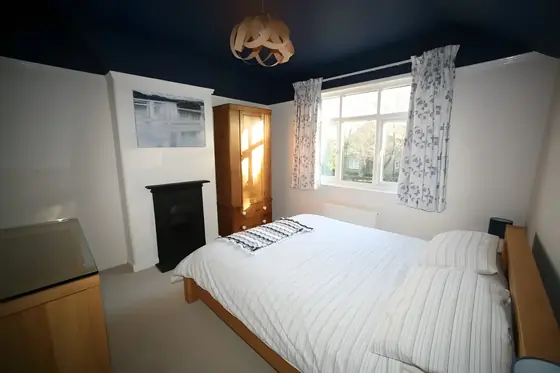
Radiators get the same patient preparation as woodwork: in our Victorian bedrooms in Histon, the picture rails, cupboard doors, skirtings and frames were made good, primed, undercoated and finished in white. If more of the room is due a refresh, see skirting board painting or bathroom decorating. We work across Cambridge and the villages near our Landbeach base, such as Milton and Histon and Impington, and you don't pay until you're happy with the finished work.