
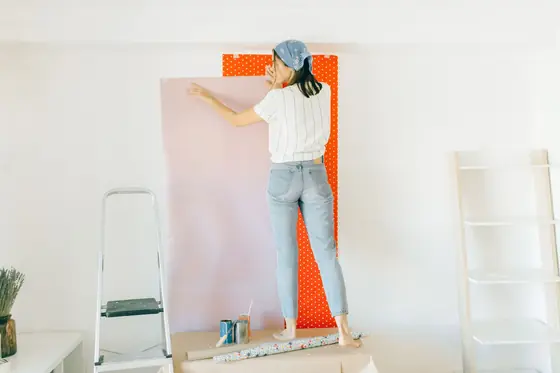
Wallpaper on period walls
In listed and older houses, plaster can be uneven, patched and out of true. We fill and make good, line where needed so the finish paper dries flat, and set out every length from a plumb line. Simon, our wallpaper specialist, works out where the pattern will land before cutting, so a chimney breast is centred and the awkward join is hidden.
Listed homes need South Cambridgeshire District Council's say before original material is removed. If there's an old paper you'd like to save in one room, we'll cover and protect it while the rest is decorated.
Owners choosing designer papers
About two-thirds of Fen Ditton households own their home, and owners are the ones most likely to choose heritage or designer papers. Those are often costly, so batch numbers are checked and the drops planned before the first cut. Our designer and William Morris wallpaper page explains more.
If you're starting small, a single wall behind a bed or across a dining room is a good test of a bold paper. Our William Morris stairwell in central Cambridge shows the other end of the scale.
Fen Ditton at a glance
- 5 milesby road from our Landbeach base, about 8 minutesOSRM routing
- 370householdsCensus 2021
- 32listed buildingsHistoric England
- 64%of homes are owner-occupiedCensus 2021
How we approach wallpapering
Old paper is soaked and stripped, paste residue washed off, and loose plaster cut back and filled. Uneven walls get lining paper first. We size or prime where the maker asks, check batch numbers, measure the repeat, and hang the first length from a plumb line in the least noticeable corner of the room. The full method, products and FAQs are on our wallpapering page.