Papering walls that are older than they look
Old plaster can be soft, patched or bowed, and stripping a previous paper sometimes takes part of the surface with it. Lining paper evens things out and gives the finish paper a consistent base to dry onto. Where plaster comes away badly, our plasterers can skim it so the job carries on without a second firm.
With 28 listed buildings in the parish and a designated conservation area, some of these homes may have historic finishes worth protecting. We once kept a customer's existing William Morris paper safe while the ceiling above it was plastered, as the William Morris staircase project describes.
Wallpaper hanging in Swavesey's newer houses
More than half of Swavesey's homes were built between 1965 and 1999, and a further 17% since 2000. Walls there are usually flatter and need less work, which suits bold patterns and murals. New plaster or board is sealed first so the paper can be positioned and later stripped cleanly.
Simon, our wallpaper specialist, takes on designer and hand-printed papers, where batch numbers and pattern placement matter most.
Feature walls behind the bed, tough papers in the hall and finds under old layers
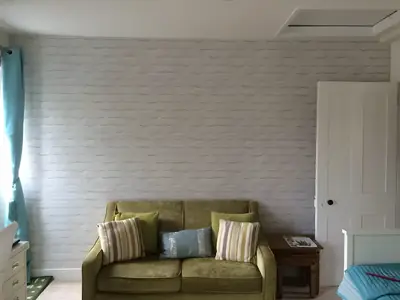
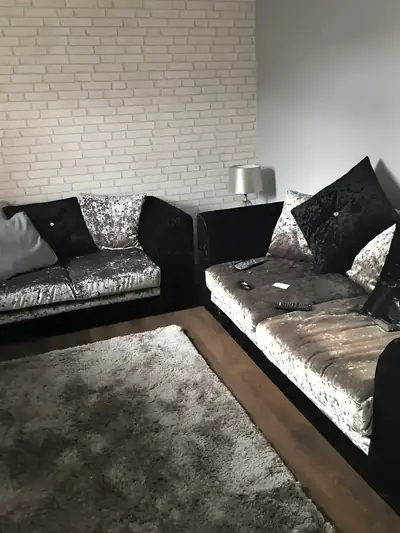
Many Swavesey houses have plenty of bedrooms: 37.9% of households had four or more at the 2021 Census. A papered wall behind the bed is one of the simplest ways to give a bedroom character, and it works best when the pattern is set out so the main motif sits centrally above the headboard and the joins fall away from the eye. Graham can mark that out with you at the visit.
Halls and stairs need a tougher paper than bedrooms. Bikes, bags and shoulders brush against the walls, so a washable or vinyl paper copes better there than a delicate printed one, and it's worth keeping a spare roll for repairs. If you love a fragile paper, a dado-height painted finish below it can protect the part that takes the knocks.
In the village's older houses, stripping can turn up more than plaster. If an old patterned paper or a painted scheme appears under later layers in a listed house, such as Drayton Cottage or The Old House, stop and ask the council before it's removed, because a historic finish can be part of what the listing protects.
Figures from 2021 Census (ONS); Historic England's National Heritage List. Source: Office for National Statistics licensed under the Open Government Licence v.3.0. © Crown Copyright 2026. Contains Ordnance Survey data © Crown copyright and database right 2026. Released under OGL.
Swavesey at a glance
- 8 milesfrom our Landbeach base in a straight line, about 20 minutes by roadOSRM routing
- 14%of properties were built before 1919VOA Council Tax stock
- 5%date from 1919 to 1939VOA Council Tax stock
- 1,167householdsCensus 2021
- 28listed buildingsHistoric England
- 72%of homes are owner-occupiedCensus 2021
Sources: Census 2021 for Swavesey parish (ONS); Council Tax: stock of properties, 2026; Historic England listed buildings; road distance by OSRM.
Listed buildings and conservation areas in Swavesey
- The Old Manor HouseGrade I listed
- Ryder's FarmhouseGrade II* listed
- Parish Church of St AndrewGrade I listed
- SwaveseyConservation area
Sources: Historic England listed buildings; Historic England conservation areas.
How we approach wallpapering
In a Swavesey room, the existing paper is tested at the visit to see how it comes away and what lies beneath. Strippable layers are peeled dry, others are scored and soaked or steamed, and the walls washed until no paste is left. Holes and cracks are filled and sanded, the wall is sized, and lining paper goes up where the plaster needs it. A feature wall is set out from its centre line so the pattern sits evenly, with each length hung to a plumb line. For the full method and the products we use, see our wallpapering page.