Landlords, letting agents and shared houses
The 2021 Census counts 2,542 privately rented households in Newmarket and 1,602 in social housing. Around 300 more homes are flats in converted or shared houses.
Between tenancies, the work usually means making good tenant marks and fixings, stain-blocking with Zinsser and repainting in washable finishes that touch up well. Small repairs can go to our builder or carpenter on the same quotation.
Shops, offices and other premises
For a shop or office, we agree working areas, keep fire exits clear and can discuss out-of-hours scheduling so trade isn't disrupted. Exterior maintenance on business premises follows the same survey and repair process as our house painting.
Our documented commercial work includes 38 rooms at Westminster College in Cambridge and student accommodation for JR Pickstocks, the second of which is written up in our student accommodation case study.
Lettings, shops and listed premises in Newmarket
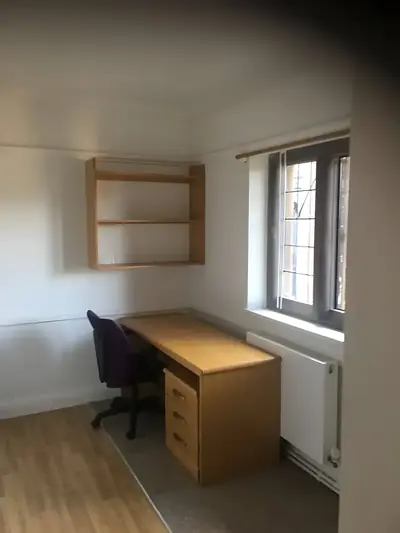
Just over half of Newmarket's households rent their home: 50.6% in the 2021 Census, about 4,144 households, split between private landlords and social housing. For landlords and letting agents, that means turnaround decorating between tenancies, planned back from the handover date so the property can be let again.
Some homes are part of business premises. In 2021, 73 Newmarket households lived in a flat in a commercial building, so repainting a shop or office can mean planning around residents in the same building as well as trading hours. Graham agrees both at the visit, and Belinda keeps everyone informed while the work goes on.
Several of the town's list entries carry business names. Historic England's list includes Cut Sew Fabrics, the Marlborough Club and The Mount Public House, all Grade II, and for premises like these it's worth asking the council before an exterior colour change or work to original features.
Figures from 2021 Census (ONS); Met Office 1991-2020 climate averages; Historic England's National Heritage List; Historic England conservation areas. Source: Office for National Statistics licensed under the Open Government Licence v.3.0. Contains public sector information licensed under the Open Government Licence v3.0. © Crown Copyright 2026. Contains Ordnance Survey data © Crown copyright and database right 2026. Released under OGL. © Historic England and Local Planning Authorities 2026.
Newmarket at a glance
- 10 milesfrom our Landbeach base in a straight line, about 21 minutes by roadOSRM routing
- 16,766people live hereCensus 2021
- 8,178householdsCensus 2021
- 31%of homes are privately rentedCensus 2021
- 20%are social rentedCensus 2021
- 28%are flatsCensus 2021
Sources: Census 2021 for Newmarket parish (ONS); road distance by OSRM.
Planning: check before you change colours
Before an exterior colour change on a listed shop, pub or office, or on business premises inside the Newmarket conservation area, ask West Suffolk Council. The council publishes a leaflet, Colours and finishes for historic buildings, and its listed buildings page explains Listed Building Consent.
Colours and finishes for historic buildings (PDF) · Listed buildings and consent (West Suffolk Council) · Newmarket conservation area map (West Suffolk Council)
How we approach commercial painting
On a Newmarket shop or pub with a flat in the same building, we'd agree two timetables at Graham's visit, one around trading hours and one around the people living there. Shopfronts and entrances usually come first, early in the day or in quieter periods, with wet paint signed and walkways kept clear. Inside, Mirka dust-free sanders keep dust off stock and fittings, and finishes are chosen for wear: a washable matt on walls and satin or eggshell on doors and frames. How we work, step by step, and the questions people usually ask are on our commercial painting page.
Best time of year for the work
At the Met Office's Brooms Barn station, about 7 miles east of Newmarket, the months from November to March average 33.4 days of air frost between them in 1991-2020, and December has 11.5 days with rain. Shopfronts and other outside work are planned for the months with fewer rain days and no frost, while shops, offices and flats can be decorated inside through the winter.